Borealosuchus was a resilient, long‑lived genus of crocodyliform that survived the end‑Cretaceous extinction and thrived well into the Paleogene. Unlike modern crocodilians, Borealosuchus species lived in cooler, more temperate environments across North America, adapting to shifting climates and ecosystems over millions of years. Their anatomy reveals a powerful, semi‑aquatic predator with a robust skull, strong jaw musculature, and a distinctive snout shape that reflects a versatile feeding strategy. Fossils show they occupied rivers, floodplains, and wetlands, filling ecological roles similar to today’s crocodiles while retaining several primitive features that make them invaluable for understanding crocodyliform evolution.
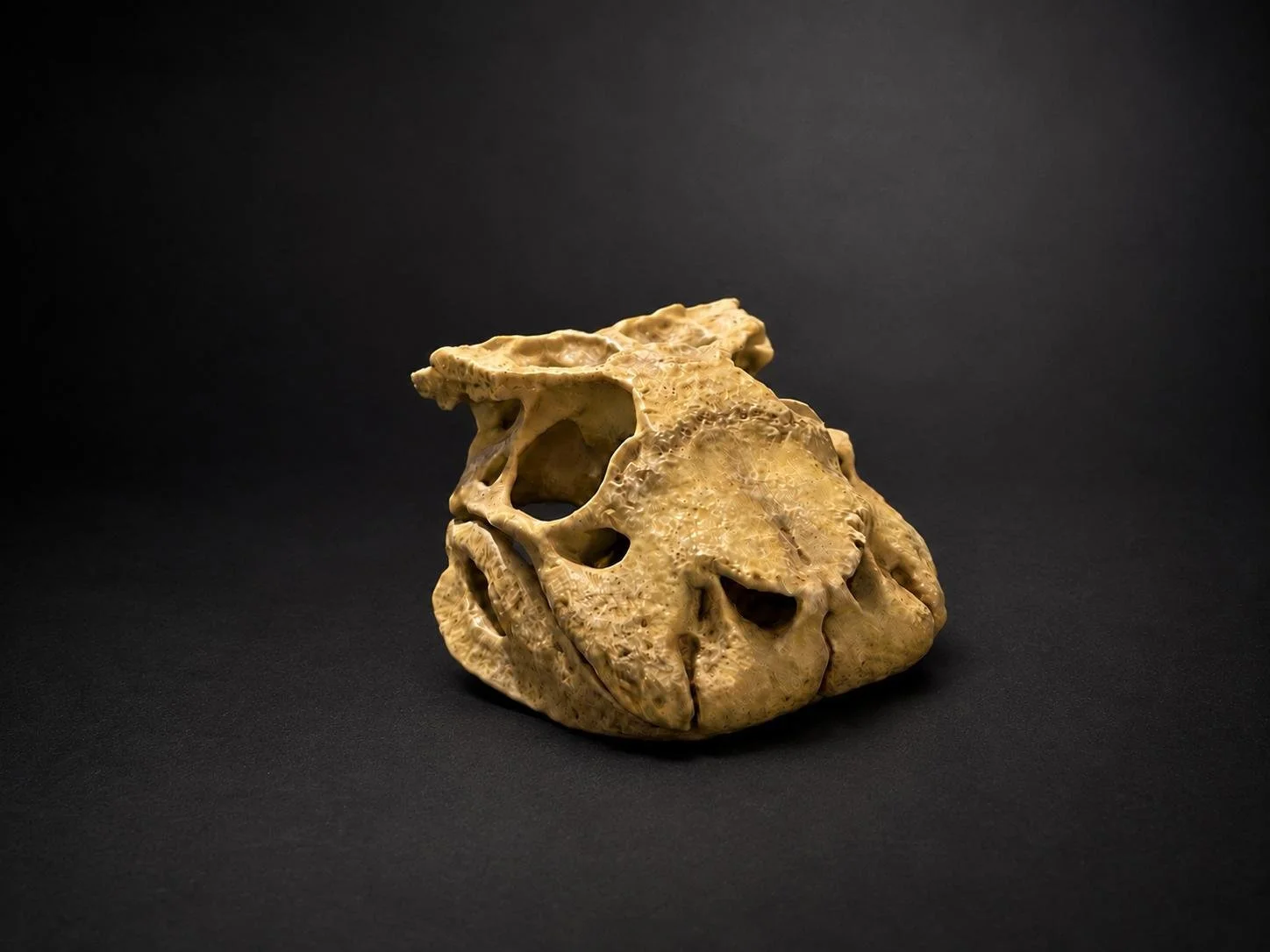
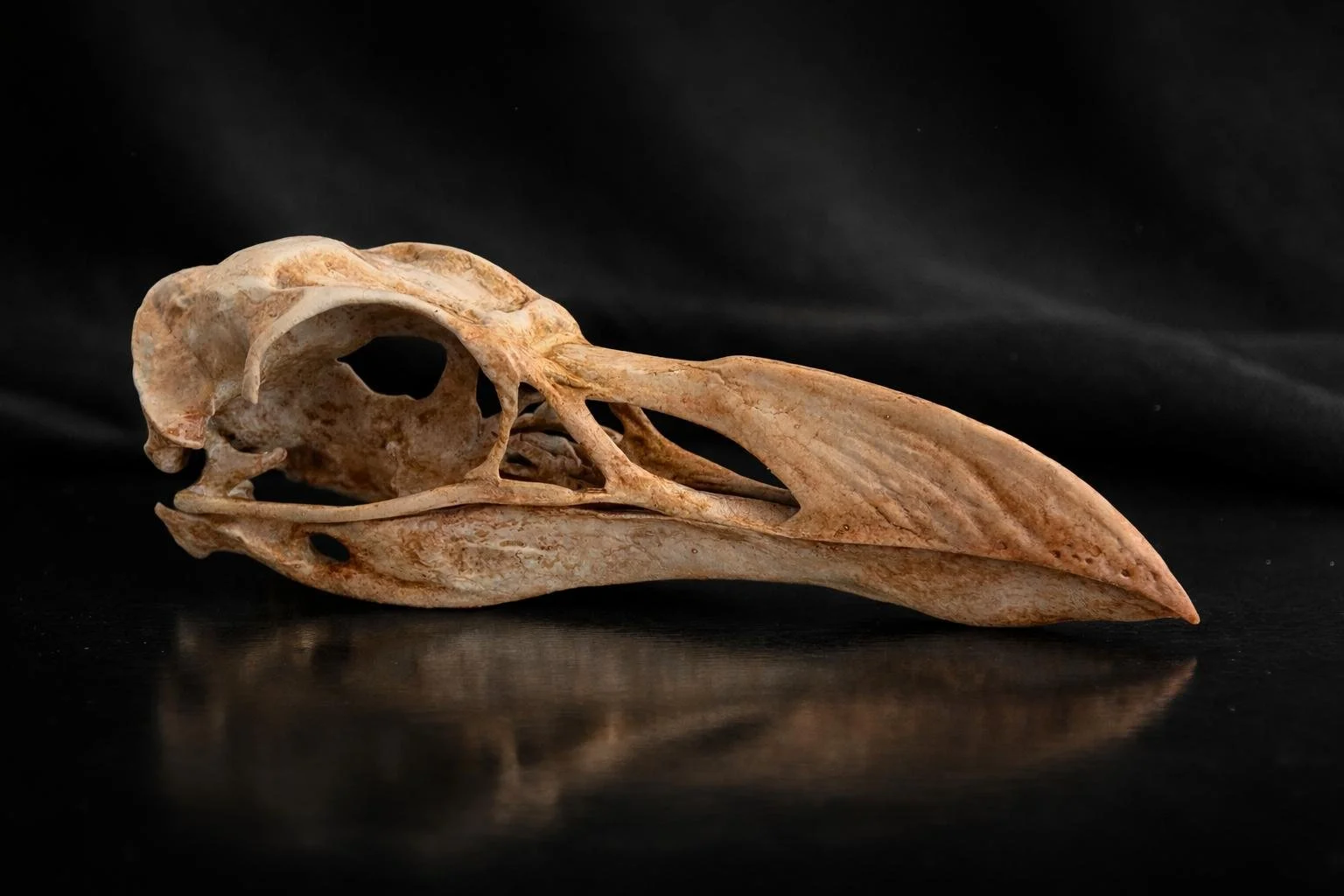
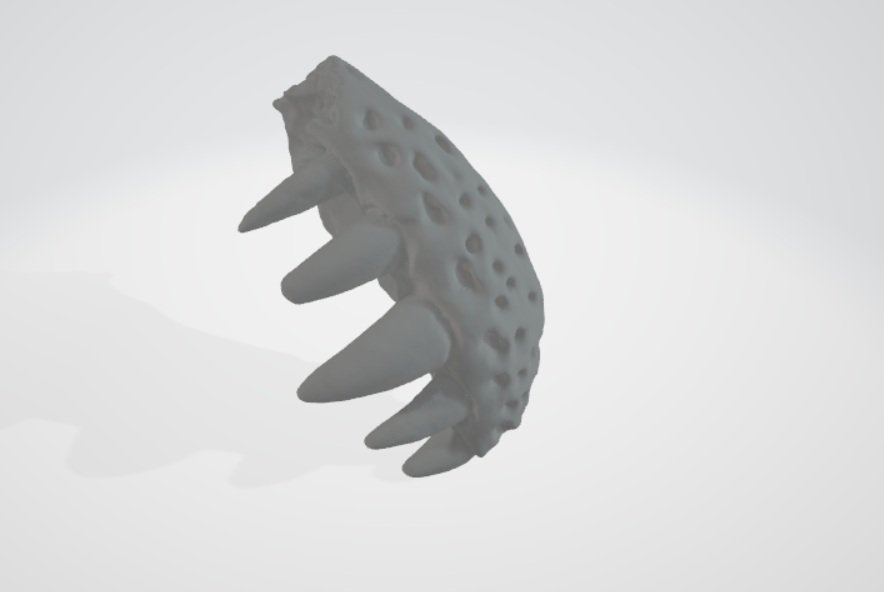
A life‑sized Borealosuchus snout is an exceptional teaching resource because it gives students a direct, tactile connection to an animal that bridges the Mesozoic and Cenozoic worlds. The snout’s proportions, tooth placement, and bone structure make it easy to discuss feeding mechanics, sensory adaptations, and how palaeontologists interpret fossil skulls to reconstruct behaviour and ecology. It’s a single anatomical piece that opens the door to conversations about extinction survival, evolutionary transitions, and ancient ecosystems.
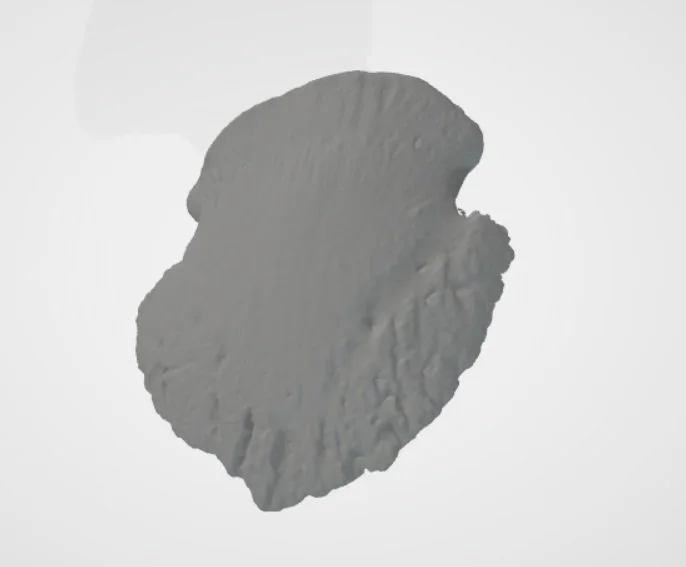
The snout we provide comes directly from High Plains Paleontology and is created from a high‑resolution scan taken in their lab. A portion of every sale supports their ongoing scientific and fieldwork efforts, making this both an educational tool and a contribution to real palaeontology.
This offering comes in its raw unpainted, scanned form direct from the lab. Whilst not as granular in detail as some of our other offerings, we think it adds charm and authenticity.
Borealosuchus was a resilient, long‑lived genus of crocodyliform that survived the end‑Cretaceous extinction and thrived well into the Paleogene. Unlike modern crocodilians, Borealosuchus species lived in cooler, more temperate environments across North America, adapting to shifting climates and ecosystems over millions of years. Their anatomy reveals a powerful, semi‑aquatic predator with a robust skull, strong jaw musculature, and a distinctive snout shape that reflects a versatile feeding strategy. Fossils show they occupied rivers, floodplains, and wetlands, filling ecological roles similar to today’s crocodiles while retaining several primitive features that make them invaluable for understanding crocodyliform evolution.
A life‑sized Borealosuchus snout is an exceptional teaching resource because it gives students a direct, tactile connection to an animal that bridges the Mesozoic and Cenozoic worlds. The snout’s proportions, tooth placement, and bone structure make it easy to discuss feeding mechanics, sensory adaptations, and how palaeontologists interpret fossil skulls to reconstruct behaviour and ecology. It’s a single anatomical piece that opens the door to conversations about extinction survival, evolutionary transitions, and ancient ecosystems.
The snout we provide comes directly from High Plains Paleontology and is created from a high‑resolution scan taken in their lab. A portion of every sale supports their ongoing scientific and fieldwork efforts, making this both an educational tool and a contribution to real palaeontology.
This offering comes in its raw unpainted, scanned form direct from the lab. Whilst not as granular in detail as some of our other offerings, we think it adds charm and authenticity.